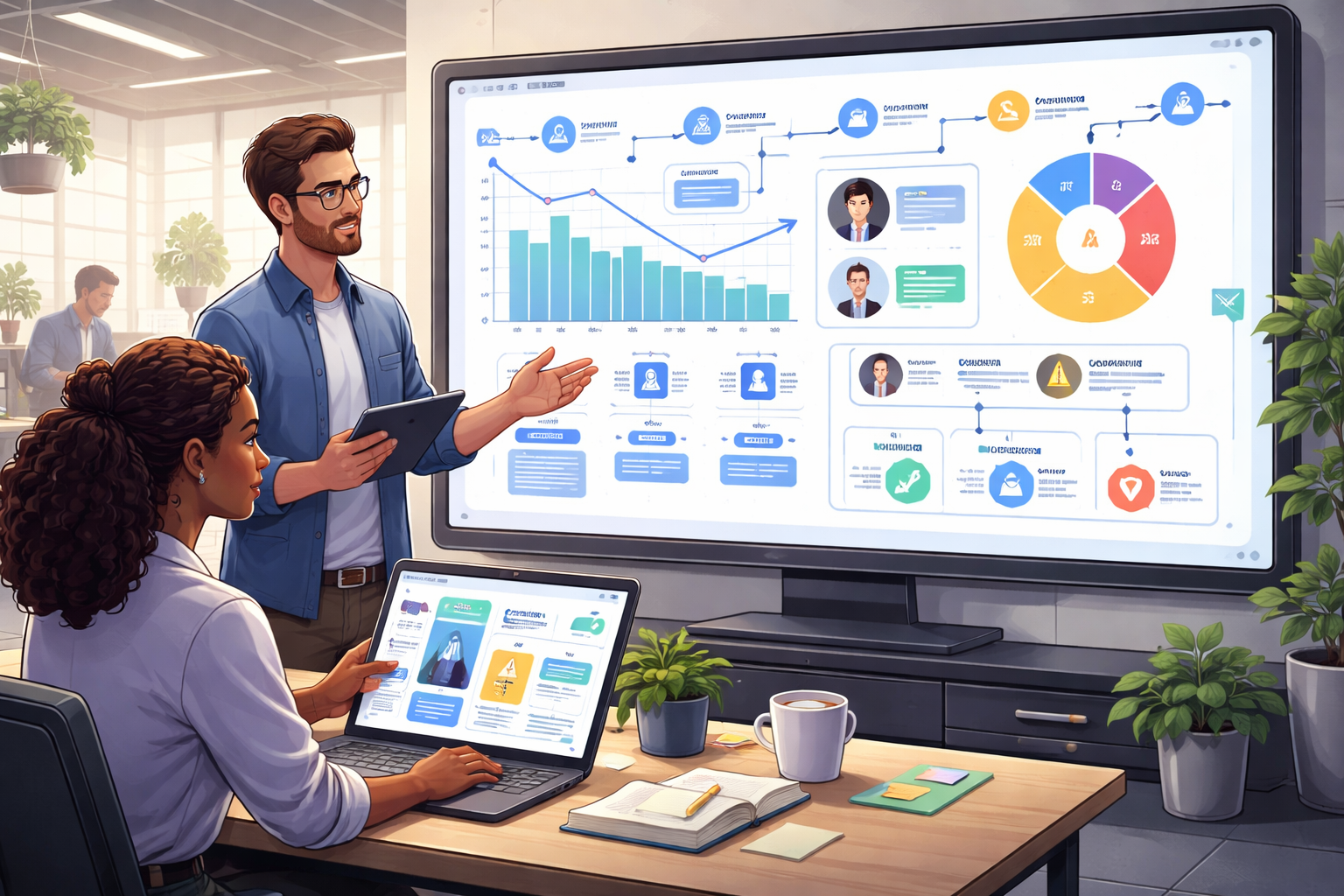
Subscription businesses operate in highly competitive environments where understanding customers deeply is essential for sustained growth. Customer segmentation allows companies to divide their user base into meaningful groups based on shared characteristics. This enables more personalized and effective engagement strategies.
Behavioral insights have transformed segmentation from static demographic grouping into dynamic, data-driven profiling. By analyzing how customers interact with products and services, businesses can tailor experiences that resonate more strongly, ultimately improving retention and satisfaction.
Table of Contents
Core Overview
Snapshot of Customer Segmentation in Subscription Models
| Component | Description |
|---|---|
| Customer Segmentation | Grouping users based on shared traits or behaviors |
| Behavioral Insights | Analysis of user actions and engagement patterns |
| Segmentation Types | Demographic, behavioral, psychographic, value-based |
| Primary Goal | Improve engagement and retention |
| Business Benefit | Higher conversion rates and customer lifetime value |
Segmentation Basics
Customer segmentation begins with identifying meaningful variables that differentiate users. Traditional segmentation focused on age, location, and income, but modern subscription businesses rely more on behavioral and usage-based data. These variables provide deeper insights into how customers interact with the service.
Segmentation enables businesses to move beyond one-size-fits-all approaches. By creating distinct customer groups, organizations can design targeted marketing campaigns, product features, and communication strategies. This ensures that each segment receives relevant and personalized experiences.
Behavior Insights
Behavioral segmentation focuses on how customers engage with a product rather than who they are. Metrics such as login frequency, feature usage, content consumption, and purchase patterns reveal valuable insights. These indicators help identify highly engaged users, occasional users, and those at risk of churn.
Advanced analytics tools allow businesses to track real-time behavior and adapt strategies accordingly. Behavioral insights also uncover hidden patterns, such as peak usage times or preferred features. This information is critical for optimizing product design and enhancing user satisfaction.
Segmentation Types
- Demographic segmentation groups users based on age, gender, income, or occupation
- Behavioral segmentation focuses on usage patterns and interaction levels
- Psychographic segmentation considers interests, values, and lifestyle preferences
- Value-based segmentation categorizes customers by revenue contribution and lifetime value
Each segmentation type serves a unique purpose and can be combined for more precise targeting. Hybrid segmentation models often deliver better results by capturing multiple dimensions of customer behavior.
Data Utilization
- Collect data from multiple touchpoints, such as apps, websites, and customer support.
- Integrate structured and unstructured data for a comprehensive view
- Use data cleaning and preprocessing to ensure accuracy
- Apply analytics tools to extract actionable insights
Effective data utilization is the backbone of successful segmentation. High-quality data ensures that segmentation models are reliable and meaningful. Businesses must continuously update and refine their datasets to reflect evolving customer behavior.
Personalization Impact
Personalization is one of the most significant benefits of customer segmentation. By understanding the preferences and needs of each segment, businesses can deliver tailored content, recommendations, and offers. This leads to higher engagement and improved customer satisfaction.
Segment-specific communication also enhances marketing effectiveness. Emails, notifications, and promotions can be customized to match user interests. Personalized experiences create a stronger emotional connection, increasing the likelihood of long-term loyalty.
Technology Role
Modern technologies such as machine learning and artificial intelligence have revolutionized segmentation strategies. These tools can process large volumes of data and identify patterns that are not easily visible through manual analysis. Automated segmentation systems enable real-time decision-making.
Customer data platforms and analytics software play a crucial role in implementing segmentation strategies. They help unify data from various sources and provide actionable insights. Technology ensures scalability and efficiency in managing large customer bases.
Implementation Barriers
Despite its advantages, segmentation comes with challenges. Data silos, inconsistent data quality, and integration issues can limit effectiveness. Businesses must invest in proper data infrastructure to overcome these obstacles.
Another challenge is maintaining relevance over time. Customer behavior changes, and segmentation models must adapt accordingly. Continuous monitoring and updating of segments are essential to ensure long-term success.
Strategic Gains
Customer segmentation drives measurable business outcomes. It improves customer acquisition, enhances engagement, and reduces churn. By focusing on high-value segments, businesses can optimize resource allocation and maximize returns.
Segmentation also supports product innovation. Insights from different customer groups help identify unmet needs and opportunities for improvement. This leads to better products and a stronger competitive position.
Closing Perspectives
Customer segmentation powered by behavioral insights is a critical strategy for modern subscription businesses. It enables organizations to understand their customers on a deeper level and deliver highly personalized experiences. This approach not only enhances engagement but also builds long-term loyalty.
As data and technology continue to evolve, segmentation strategies will become even more sophisticated. Businesses that invest in advanced analytics and continuously refine their segmentation models will be better positioned to thrive in an increasingly competitive landscape.