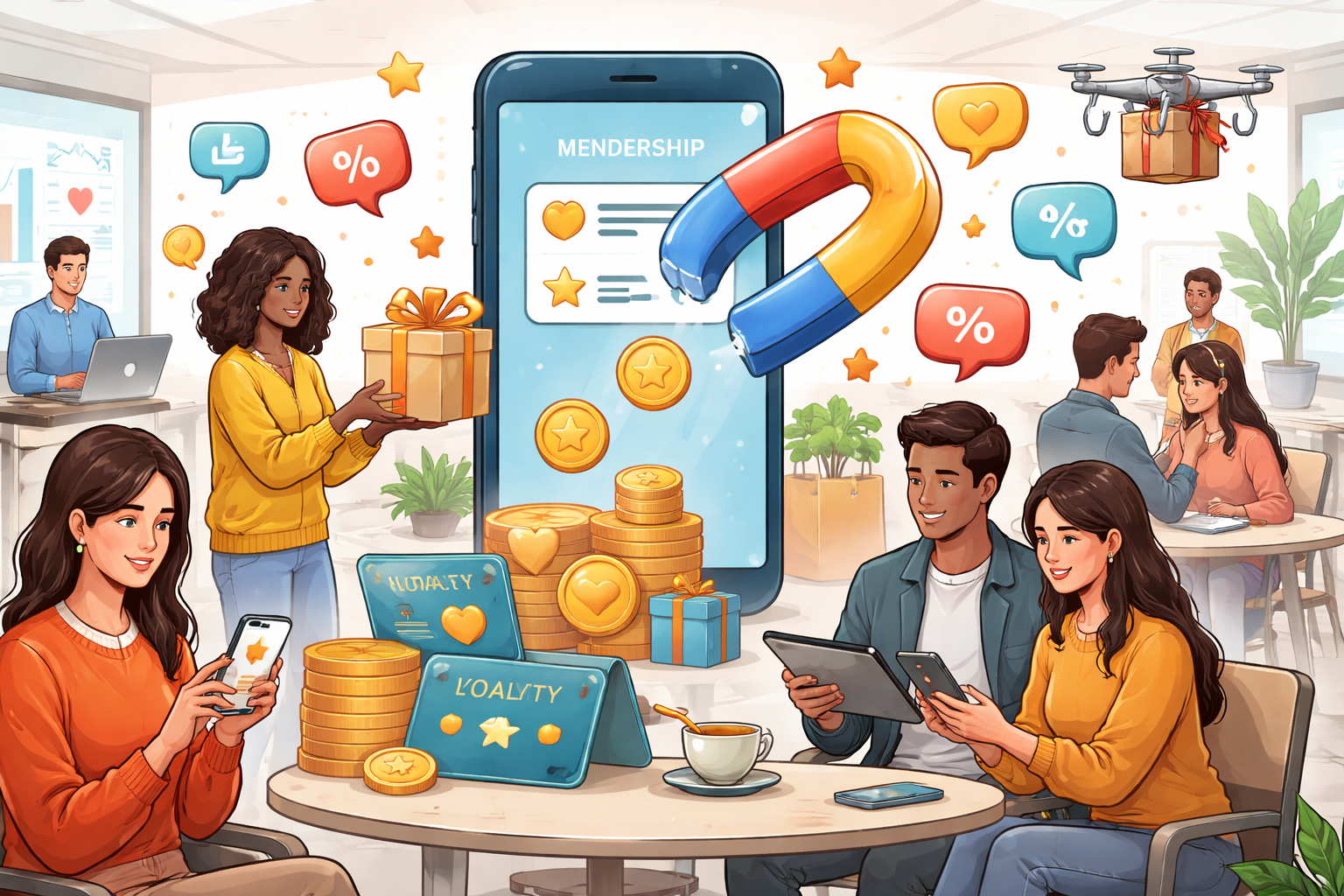
Subscription-based businesses thrive on consistent customer engagement and long-term relationships rather than one-time purchases. Retaining customers is often more cost-effective than acquiring new ones, making retention strategies a core focus for sustainable growth. Businesses that prioritize loyalty tend to see higher lifetime value, stronger brand advocacy, and reduced churn rates.
Effective retention strategies go beyond offering quality products or services. They involve understanding customer needs, delivering personalized experiences, and maintaining continuous communication. A well-structured retention plan helps businesses build trust, encourage repeat usage, and foster emotional connections that keep customers subscribed over time.
Table of Contents
Retention Overview
Overview: Key Retention Elements
| Element | Description |
|---|---|
| Customer Experience | Ensuring smooth and satisfying interactions |
| Personalization | Tailoring services to individual needs |
| Engagement Channels | Using multiple touchpoints to connect |
| Loyalty Programs | Rewarding long-term subscribers |
| Feedback Systems | Collecting and acting on user insights |
Customer retention involves a combination of emotional and functional factors. Businesses must create value consistently while also making customers feel appreciated and understood. The above elements serve as the foundation for building strong, lasting relationships.
Implementing these elements effectively requires a strategic approach. Businesses must analyze customer behavior, segment their audience, and adapt their offerings to meet evolving expectations. Retention is not a one-time effort but an ongoing process that evolves with customer preferences.
Value Creation
Creating value is the cornerstone of customer retention. Subscribers must feel that they are receiving benefits that justify their recurring payments. This value can be delivered through high-quality products, exclusive features, or consistent service improvements that enhance user experience.
Businesses should also focus on communicating this value clearly. Regular updates, feature announcements, and educational content help customers understand what they are gaining. When customers perceive strong value, they are less likely to cancel their subscriptions and more likely to remain loyal.
Personalized Engagement
Personalization plays a critical role in building strong customer relationships. By analyzing user data such as preferences, behavior, and purchase history, businesses can tailor their offerings to meet individual needs. Personalized recommendations and targeted communication create a more relevant and engaging experience.
Customers appreciate it when businesses recognize their unique preferences. Personalized emails, curated content, and customized offers make customers feel valued. This sense of recognition strengthens emotional connections and increases the likelihood of long-term retention.
Communication Channels
Effective communication ensures that customers remain informed and engaged. Businesses should use multiple channels such as email, mobile notifications, and social media to stay connected with their audience. Consistent communication helps maintain visibility and reinforces the brand’s presence in customers’ daily lives.
Clear and timely communication also builds trust. Informing customers about updates, billing cycles, or service changes prevents confusion and dissatisfaction. Transparent communication fosters confidence and reduces the chances of churn.
Loyalty Programs
- Reward systems encourage continued subscriptions
- Exclusive benefits increase perceived value
- Tiered programs motivate long-term commitment
- Special discounts strengthen customer satisfaction
- Early access features enhance engagement
Loyalty programs are powerful tools for retaining customers. By offering rewards and incentives, businesses can encourage subscribers to stay longer and engage more frequently. These programs create a sense of appreciation and recognition among customers.
Well-designed loyalty programs also differentiate businesses from competitors. When customers receive tangible benefits for their loyalty, they are less likely to switch to alternative services. This strengthens long-term relationships and improves retention rates.
Customer Feedback
- Surveys provide insights into user satisfaction
- Reviews highlight strengths and weaknesses
- Direct feedback helps identify improvement areas
- Continuous listening builds trust
- Actionable insights drive better decisions
Customer feedback is essential for understanding what works and what needs improvement. By actively seeking feedback, businesses can identify pain points and address them promptly. This proactive approach demonstrates a commitment to customer satisfaction.
Acting on feedback is equally important. Customers value businesses that listen and respond to their concerns. Implementing changes based on feedback not only improves the service but also strengthens customer trust and loyalty.
Churn Reduction
Reducing churn requires identifying the reasons why customers leave and addressing those issues effectively. Common causes include poor user experience, lack of value, or inadequate support. Businesses must analyze churn data to develop targeted solutions.
Proactive measures such as offering flexible plans, providing timely support, and re-engaging inactive users can significantly reduce churn. Retention strategies should focus on preventing dissatisfaction before it leads to cancellation.
Experience Enhancement
Enhancing the overall customer experience is key to maintaining long-term relationships. This includes improving usability, ensuring reliable performance, and providing excellent customer support. A seamless experience encourages customers to continue using the service.
Businesses should also focus on innovation. Regularly introducing new features or improvements keeps the service fresh and engaging. Continuous enhancement ensures that customers remain interested and satisfied with their subscription.
Data Insights
Data-driven strategies enable businesses to make informed decisions about retention. By analyzing customer behavior, usage patterns, and engagement metrics, businesses can identify trends and opportunities for improvement. Data helps in predicting customer needs and optimizing retention efforts.
Advanced analytics also allow for segmentation and targeted strategies. Businesses can create customized retention campaigns for different customer groups, increasing the effectiveness of their efforts and improving overall retention rates.
Long Loyalty
Building long-term loyalty requires consistency and dedication. Businesses must continuously deliver value, maintain strong communication, and adapt to changing customer expectations. Loyalty is built over time through positive experiences and reliable service.
Strong customer relationships lead to higher lifetime value and increased brand advocacy. Loyal customers are more likely to recommend the service to others, contributing to organic growth. Investing in retention strategies ultimately leads to sustainable business success.
Final Thoughts
Customer retention is a critical component of success for subscription-based businesses. By focusing on value creation, personalization, communication, and continuous improvement, businesses can build strong and lasting relationships with their customers. Effective retention strategies not only reduce churn but also enhance overall customer satisfaction.
Long-term loyalty is achieved through consistent effort and customer-centric approaches. Businesses that prioritize retention are better positioned to thrive in competitive markets. By implementing the strategies discussed above, subscription-based businesses can create meaningful connections and ensure sustained growth.