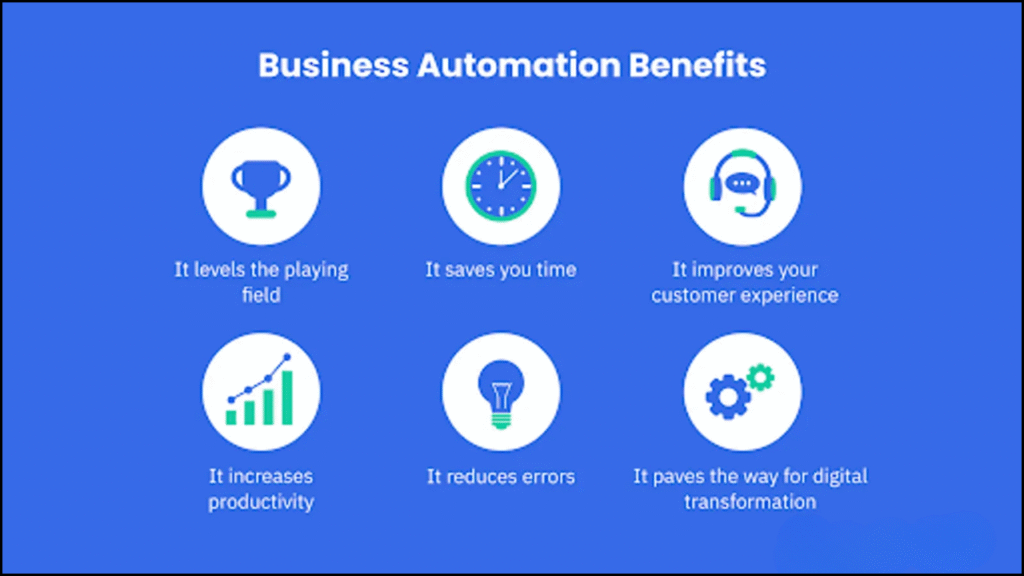
Automation in subscription businesses has become an essential component of long-term growth, efficiency, and customer satisfaction. A subscription model depends heavily on recurring tasks—billing, renewals, communications, inventory updates, and customer management. Manual handling of these operations can lead to delays, errors, and inefficiencies that harm profitability. Automation simplifies these complex processes, allowing business owners to focus more on strategy, innovation, and customer relationships. The growing number of digital subscription platforms demonstrates that automated systems are now a necessity rather than a luxury.
Table of Contents
1. Role of Automation in Subscription Management
Automation plays a foundational role in handling daily repetitive tasks in subscription-based models.
- Automated systems manage billing cycles, renewals, and cancellations with minimal human input.
- Businesses maintain consistency in customer experience by ensuring timely delivery and payment processing.
- Manual errors are reduced significantly through automatic data entry and system updates.
- Integration with CRMs and accounting software ensures accurate customer records and financial tracking.
2. Benefits of Automation in Subscription Operations
Automation delivers measurable improvements across multiple areas of a subscription business.
| Aspect | Benefit of Automation |
|---|---|
| Billing | Automatic invoicing and recurring payments ensure steady cash flow and fewer payment delays. |
| Renewals | Subscription renewals happen seamlessly, reducing churn caused by missed deadlines. |
| Customer Service | Automated responses and chatbots handle basic queries, freeing staff for complex tasks. |
| Inventory Management | Stock levels update in real time, preventing shortages and overstocking. |
| Analytics | Automated data collection provides instant insights into customer behavior and sales trends. |
3. Automation and Customer Experience
Customer experience is central to subscription success, and automation enhances it through consistency and personalization.
- Automated welcome messages, onboarding emails, and renewal reminders strengthen relationships.
- Personalization algorithms recommend products or services based on user history and preferences.
- Subscribers receive timely notifications about billing or delivery, increasing transparency.
- Consistent communication across platforms builds trust and reliability.
4. Streamlining Payment Processes
Payment automation is one of the most crucial areas for subscription-based businesses.
- Payment gateways automatically charge customers at predefined intervals without manual input.
- Failed payments trigger automated retry attempts and notification emails.
- Secure automation reduces human access to sensitive financial data, improving compliance.
- Multi-currency support helps global businesses handle payments efficiently across regions.
5. Reducing Operational Costs Through Automation
Automated systems reduce costs by minimizing the need for large administrative teams.
- Fewer staff are needed for billing, data entry, and customer communication.
- Time saved can be redirected to marketing and product development.
- Lower error rates prevent revenue loss due to manual mistakes.
- Predictive analytics help forecast demand, optimizing supply chain efficiency.
6. Marketing Automation for Subscription Growth
Marketing automation supports customer acquisition and retention by using data-driven strategies.
| Marketing Task | Automation Advantage |
|---|---|
| Email Campaigns | Targeted, scheduled emails improve engagement and renewal rates. |
| Social Media Posts | Automated scheduling ensures consistent brand visibility. |
| Lead Nurturing | Data-based segmentation delivers personalized offers to potential subscribers. |
| Customer Retargeting | Automated reminders bring back users who abandon carts or cancel subscriptions. |
7. Using Automation for Churn Management
Automation also helps identify and address potential subscriber cancellations.
- Automated systems detect patterns such as reduced engagement or skipped payments.
- Preemptive retention campaigns are triggered before a customer cancels.
- Personalized renewal offers or discounts are automatically sent to at-risk subscribers.
- Feedback collection after cancellation helps businesses improve services continuously.
8. Integrating Automation with Analytics Tools
Analytics and automation together provide real-time insights that guide smarter decision-making.
- Automated dashboards track key performance indicators such as churn rate and customer lifetime value.
- Predictive analytics identify trends and opportunities for growth.
- Performance metrics automatically adjust marketing and pricing strategies for better returns.
- Businesses gain a full understanding of customer journeys without manual data processing.
9. Automation in Customer Support
Customer support automation enhances service quality and response speed.
- Chatbots provide 24/7 assistance for basic queries and troubleshooting.
- Automated ticketing systems route issues to the right department efficiently.
- Self-service portals allow customers to manage accounts independently.
- Support teams access automated logs for faster problem resolution.
10. Balancing Automation and Human Interaction
While automation improves efficiency, maintaining a balance with human touch is essential.
| Automation Area | Recommended Human Involvement |
|---|---|
| Customer Onboarding | Personalized assistance can build stronger initial connections. |
| Complaints Handling | Human empathy is vital for resolving complex or emotional issues. |
| Product Development | Human creativity ensures innovation beyond automated insights. |
| Retention Strategies | Combining automated offers with human follow-ups increases loyalty. |
11. Common Tools for Subscription Automation
Several platforms and tools assist in automating key aspects of subscription management.
- Chargebee – Automates billing, invoicing, and revenue recognition.
- Recurly – Manages recurring payments and dunning processes.
- HubSpot – Handles marketing automation and customer communication.
- Zapier – Connects multiple software tools for seamless data flow.
- Stripe Billing – Simplifies global payment processing and invoicing.
12. Future Trends in Subscription Automation
Advancements in artificial intelligence and machine learning are reshaping how businesses use automation.
- AI-driven personalization enhances subscriber engagement through predictive suggestions.
- Machine learning models anticipate churn before it happens.
- Voice automation and chatbots are becoming more sophisticated for customer support.
- Integration between AI analytics and CRM platforms enables smarter decision-making.
In Summary
Automation in subscription businesses defines the difference between stagnation and scalable growth. A well-implemented automation system ensures reliability, precision, and efficiency across billing, communication, and customer management. Businesses that embrace automation reduce operational costs while improving customer satisfaction and retention. The future of subscription success lies in a balanced blend of automation technology and human insight, creating a seamless experience that keeps subscribers engaged and loyal.