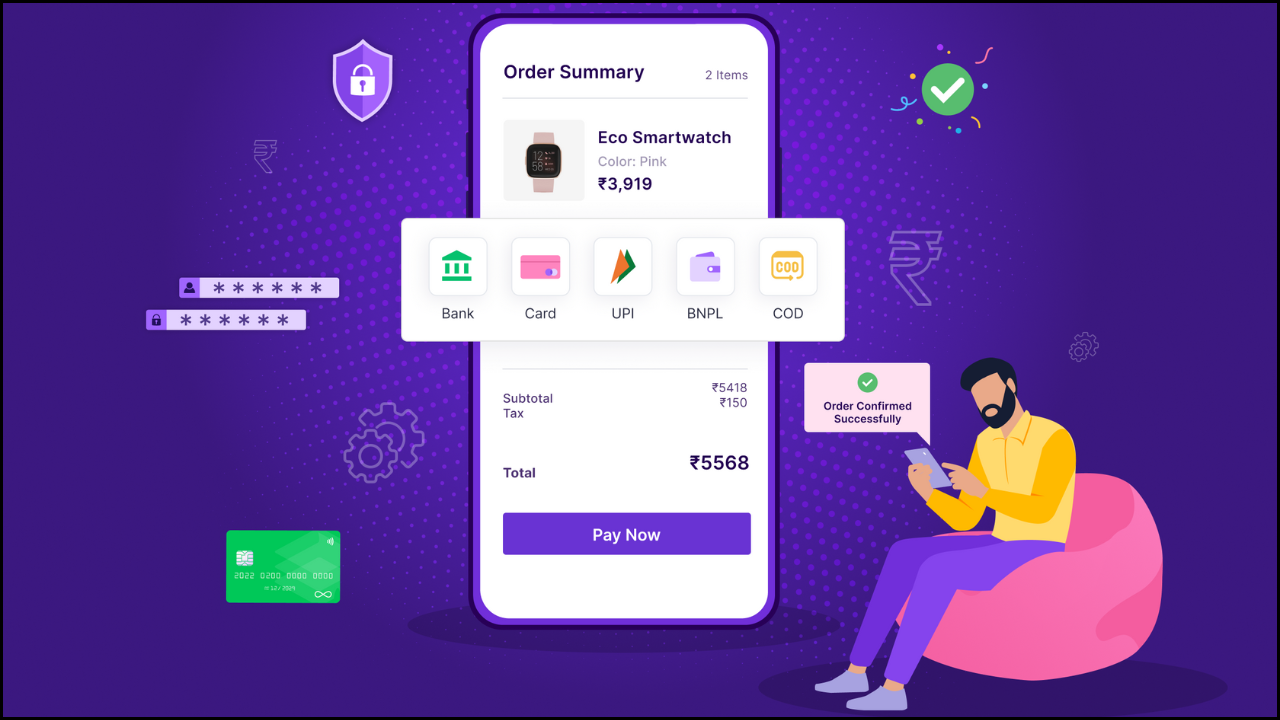
A subscription business model represents one of the most transformative methods of generating consistent revenue in today’s economy. The model emphasizes long-term customer relationships rather than one-time transactions, allowing businesses to build predictable income streams and enhance customer loyalty. Growing digital adoption, changing consumer preferences, and technological advancements have made the subscription model a preferred choice for companies across industries — from entertainment and education to software and retail.
Table of Contents
Understanding the Subscription Business Model
A subscription business model is a strategy in which customers pay a recurring fee at regular intervals (monthly, quarterly, or annually) to access a product or service. Instead of purchasing items individually, subscribers enjoy continuous access as long as payments are made. This model shifts the focus from ownership to accessibility, ensuring that users experience convenience, flexibility, and consistent value.
Key Characteristics of a Subscription Business Model
- Recurring Revenue: Income is generated at regular intervals, offering predictability and financial stability.
- Customer Retention: Long-term engagement is prioritized over single-purchase conversions.
- Personalization: Data-driven insights allow companies to tailor experiences and retain more users.
- Convenience: Automatic renewals and flexible cancellation options increase customer satisfaction.
- Scalability: Once the infrastructure is built, scaling the business becomes cost-efficient.
Types of Subscription Business Models
| Type | Description | Examples |
|---|---|---|
| Product Subscription | Customers receive physical goods regularly, often curated or replenished automatically. | Beauty boxes, meal kits, grocery deliveries |
| Service Subscription | Users pay recurring fees to access professional services. | Fitness programs, maintenance services |
| Content Subscription | Subscribers access digital content such as news, music, or videos. | Netflix, Spotify, online journals |
| Software as a Service (SaaS) | Software applications are accessed online through recurring payments. | Adobe Creative Cloud, Microsoft 365 |
| Membership Subscription | Customers join communities or platforms that offer exclusive benefits. | Learning platforms, premium clubs |
| Hybrid Subscription | Combines physical and digital elements to enhance value. | Peloton (equipment + online classes) |
How the Subscription Model Works
- Step 1 – Enrollment: Customers subscribe to a plan that suits their preferences.
- Step 2 – Payment Cycle: The system charges a recurring fee automatically.
- Step 3 – Delivery or Access: Products are shipped, or digital content/services are unlocked.
- Step 4 – Renewal or Cancellation: Subscribers can continue, upgrade, or cancel as per their needs.
Advantages of the Subscription Business Model
| Aspect | Benefit |
|---|---|
| Predictable Revenue | Businesses gain stable, recurring income, allowing better financial planning. |
| Improved Customer Relationships | Continuous engagement leads to deeper trust and long-term loyalty. |
| Higher Customer Lifetime Value (CLV) | Regular payments from the same users increase lifetime profitability. |
| Better Inventory and Resource Management | Predictable demand simplifies inventory and resource planning. |
| Enhanced Data Insights | Regular interactions generate valuable usage data for business improvements. |
| Customer Convenience | Automatic renewals and flexible options attract modern consumers. |
Why the Subscription Model Works So Effectively
The success of subscription models lies in psychology, technology, and consumer behavior. Modern consumers prefer experiences over ownership. They value flexibility and convenience — attributes that align perfectly with the subscription framework. Additionally, automation in billing, customer management, and analytics supports smooth operations.
- Emotional Connection: Regular brand interaction fosters loyalty and attachment.
- Cost Efficiency: Customers enjoy premium access without large upfront payments.
- Continuous Value Delivery: Subscribers receive consistent updates or replenishments.
- Community Building: Shared access creates belonging, especially in digital platforms.
- Ease of Exit and Re-entry: Low barriers to pause or restart subscriptions reduce churn.
Examples of Successful Subscription Businesses
| Company | Industry | Subscription Offering | Impact |
|---|---|---|---|
| Netflix | Entertainment | Monthly access to movies and shows | Revolutionized on-demand content consumption |
| Spotify | Music Streaming | Premium music without ads | Created sustainable revenue through global reach |
| Adobe | Software | Monthly access to creative tools | Transitioned from product sales to service-based model |
| Dollar Shave Club | Grooming | Monthly razor delivery | Simplified shopping and built a loyal customer base |
| Amazon Prime | E-commerce | Membership with multiple benefits | Combined multiple services for customer retention |
| HelloFresh | Meal Kit Delivery | Weekly curated meal boxes | Integrated convenience and personalization |
Customer Retention and Engagement Strategies
- Personalized Recommendations: Using data analytics to tailor product suggestions.
- Loyalty Rewards: Offering discounts or bonuses for long-term members.
- Flexible Subscription Plans: Allowing users to upgrade, downgrade, or pause as needed.
- Effective Communication: Sending updates, reminders, and exclusive offers.
- User Experience Optimization: Ensuring seamless onboarding and payment processes.
Challenges in the Subscription Business Model
| Challenge | Description | Possible Solution |
|---|---|---|
| Churn Rate | Customers are canceling subscriptions due to a lack of engagement. | Offer personalized experiences and flexible options. |
| Pricing Confusion | Complex plans can discourage sign-ups. | Simplify pricing tiers and provide clear value propositions. |
| Payment Failures | Failed transactions may interrupt service continuity. | Use automated billing and retry mechanisms. |
| Content Fatigue | Overexposure to repetitive content reduces interest. | Continuously update and diversify offerings. |
| Competition | Market saturation leads to customer switching. | Differentiate through quality, service, and user experience. |
How Technology Strengthens Subscription Businesses
- Automation Tools: Enable recurring billing, notifications, and analytics.
- Customer Relationship Management (CRM): Tracks engagement and retention patterns.
- Artificial Intelligence (AI): Predicts churn, recommends products, and personalizes experiences.
- Mobile Apps: Provide instant access and increase engagement frequency.
- Payment Gateways: Support global transactions and multi-currency operations.
Economic and Environmental Advantages
- Sustainable Revenue Growth: Steady income ensures business resilience.
- Resource Optimization: Predictable demand reduces waste and overproduction.
- Reduced Marketing Costs: Focus on retention lowers customer acquisition expenses.
- Circular Economy Support: Encourages reuse and continuous value circulation rather than waste.
Future Trends in Subscription-Based Businesses
| Trend | Description |
|---|---|
| Micro-Subscriptions | Affordable mini-plans targeting niche needs. |
| Bundled Services | Combining multiple offerings under one subscription. |
| AI-Driven Personalization | Using machine learning for customized experiences. |
| Eco-Conscious Subscriptions | Sustainable packaging and ethical sourcing. |
| Dynamic Pricing Models | Adjusting fees based on usage patterns and demand. |
| Integration with IoT | Smart devices connecting automatically with services. |
Summing Up
A subscription business model redefines how companies interact with consumers, focusing on consistent value delivery and relationship building. This approach ensures financial predictability for businesses while granting convenience and flexibility to customers. The model thrives because it aligns with modern lifestyles that favor access, personalization, and ongoing satisfaction over one-time purchases. As technology continues to evolve, the subscription economy will expand further, influencing nearly every sector and shaping the future of consumer-business relationships.