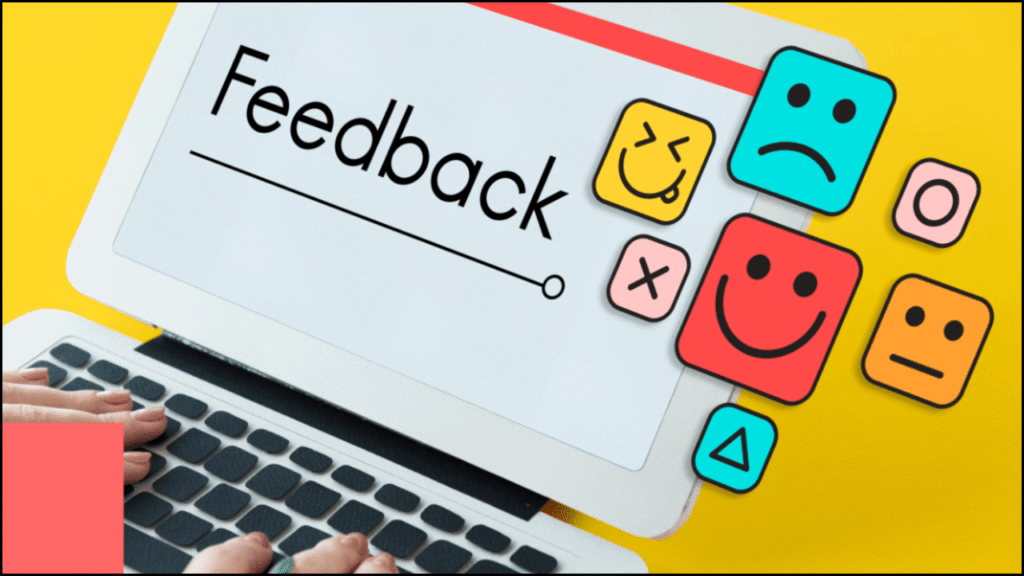
Customer feedback serves as the foundation for growth and innovation in subscription-based businesses. In an environment where customer expectations evolve rapidly, listening to subscriber voices can lead to smarter decisions and better retention. By systematically collecting, analyzing, and applying feedback, businesses can refine their subscription offers to deliver higher value and satisfaction. Understanding customer needs allows brands to stay competitive, reduce churn, and create experiences that feel personal and relevant.
Table of Contents
Importance of Customer Feedback in Subscription Businesses
Customer feedback reveals what subscribers appreciate, dislike, or wish to see improved in their plans. Acting on this insight ensures that subscription models stay aligned with real-world expectations.
- Feedback highlights pain points that may cause cancellations.
- Continuous feedback analysis drives innovation in pricing and packaging.
- Understanding subscriber sentiment helps improve communication tone and content.
- Positive feedback can guide marketing narratives and strengthen brand credibility.
- Quick responses to feedback enhance trust and customer relationships.
Types of Customer Feedback Useful for Subscription Offers
| Type of Feedback | Description |
|---|---|
| Survey Responses | Structured questionnaires that gather opinions on pricing, satisfaction, and value perception. |
| Product Reviews | Direct insights from customers about the usability and quality of the subscription product. |
| Support Interactions | Customer service queries and complaints that reveal recurring issues. |
| Social Media Comments | Real-time reactions reflecting customer engagement and brand reputation. |
| Churn Feedback | Exit surveys explaining reasons for cancellation or dissatisfaction. |
Methods to Collect Customer Feedback Effectively
A systematic approach ensures that every opinion becomes a data point for improvement.
- Email surveys can be sent post-purchase or after a renewal cycle.
- Net Promoter Score (NPS) surveys measure customer loyalty and satisfaction.
- Live chat and chatbot systems can collect quick impressions during interactions.
- Social media polls engage users casually while gathering preferences.
- Analytics dashboards reveal behavioral feedback from subscription usage patterns.
How to Analyze Customer Feedback for Actionable Insights
Raw feedback alone has limited value until it is categorized and interpreted effectively.
| Analysis Method | Purpose |
|---|---|
| Sentiment Analysis | Determines whether feedback expresses positive, negative, or neutral feelings. |
| Trend Analysis | Identifies recurring themes or frequently mentioned issues. |
| Segmentation | Groups feedback by customer type, plan tier, or usage frequency. |
| Churn Correlation | Connects feedback patterns to cancellation behaviors. |
| Feature Scoring | Ranks requested features by popularity and business impact. |
Ways to Use Feedback to Enhance Subscription Offers
Customer feedback can reshape how offers are designed, priced, and promoted.
- Adjust pricing tiers based on perceived value and affordability feedback.
- Introduce flexible plans for customers seeking more control over renewals.
- Add or remove features depending on customer interest levels.
- Improve onboarding experiences using feedback about initial difficulties.
- Personalize content delivery to match different customer preferences.
Improving Customer Experience through Feedback Integration
Subscription businesses thrive when customers feel their opinions directly influence change.
- Acknowledging user suggestions shows that their voice matters.
- Transparent communication about implemented changes increases loyalty.
- Feedback-informed updates can reduce churn and attract new subscribers.
- Personalized thank-you messages encourage ongoing participation.
- Quick fixes for reported issues demonstrate commitment to quality service.
Examples of Feedback-Driven Subscription Improvements
| Example | Feedback Insight | Action Taken |
|---|---|---|
| Streaming Platform | Users wanted downloadable content for offline use. | Introduced offline viewing features. |
| Meal Kit Service | Subscribers desired more vegetarian options. | Added new vegetarian meal plans. |
| SaaS Tool | Customers reported complex onboarding. | Developed guided tutorials and onboarding emails. |
| Beauty Box Subscription | Users requested product customization. | Implemented preference-based product selection. |
| E-learning Platform | Learners asked for shorter video modules. | Introduced micro-learning content format. |
Encouraging Customers to Share Honest Feedback
Many customers hesitate to provide feedback unless motivated properly.
- Offer small incentives like discounts or loyalty points for survey participation.
- Keep feedback forms short, clear, and mobile-friendly.
- Follow up to thank participants and share how their input made a difference.
- Use social media stories or posts to invite casual comments.
- Build a community space where subscribers feel comfortable expressing opinions.
Incorporating Feedback into Product Development
Product and marketing teams must collaborate to apply insights effectively.
| Stage | Application of Feedback |
|---|---|
| Product Planning | Identify missing features and improvement areas. |
| Testing Phase | Use beta testers’ input to refine product quality. |
| Launch Stage | Ensure that updates reflect the most requested features. |
| Post-Launch Review | Gather new feedback to evaluate impact. |
The Role of Technology in Managing Feedback
Automation and analytics tools streamline the feedback management process.
- Customer Relationship Management (CRM) systems track feedback history.
- Artificial Intelligence analyzes patterns for smarter decision-making.
- Feedback management tools like Typeform and SurveyMonkey simplify data collection.
- Integration with subscription management software ensures continuous updates.
- Automated alerts notify teams when negative feedback spikes.
Using Negative Feedback as a Growth Opportunity
Constructive criticism can be more valuable than praise when addressed properly.
- Identify recurring pain points and resolve them promptly.
- Thank users for pointing out weaknesses and communicate fixes.
- Use negative comments to guide employee training and process improvement.
- Monitor how quickly and effectively complaints are resolved.
- Transform dissatisfied customers into advocates through proactive solutions.
Measuring the Impact of Feedback-Driven Changes
| Metric | What It Measures |
|---|---|
| Customer Retention Rate | Tracks how feedback improvements influence renewals. |
| NPS (Net Promoter Score) | Reflects satisfaction levels before and after changes. |
| Churn Rate | Measures the reduction in cancellations post-implementation. |
| Customer Lifetime Value (CLV) | Evaluates the long-term impact of improved offers. |
| Engagement Rate | Indicates how responsive users become after enhancements. |
How Subitt Helps Businesses Leverage Customer Feedback
Subitt provides tools that allow small and medium businesses to manage and act on feedback effectively.
- Built-in analytics help track subscriber satisfaction trends.
- Automated surveys collect real-time responses during renewals.
- Dashboards present actionable insights to improve offers efficiently.
- Integration with CRMs ensures all feedback is centralized and accessible.
- Businesses can use Subitt’s reports to personalize and refine subscription tiers.
Final Analysis
Customer feedback remains one of the most valuable resources for improving subscription offers. By actively listening and implementing suggestions, businesses can build products that align with real user needs and desires. Feedback-driven improvements create stronger relationships, higher satisfaction, and long-term loyalty. In subscription commerce, success depends not just on what a brand sells, but on how well it listens, learns, and evolves with its subscribers.