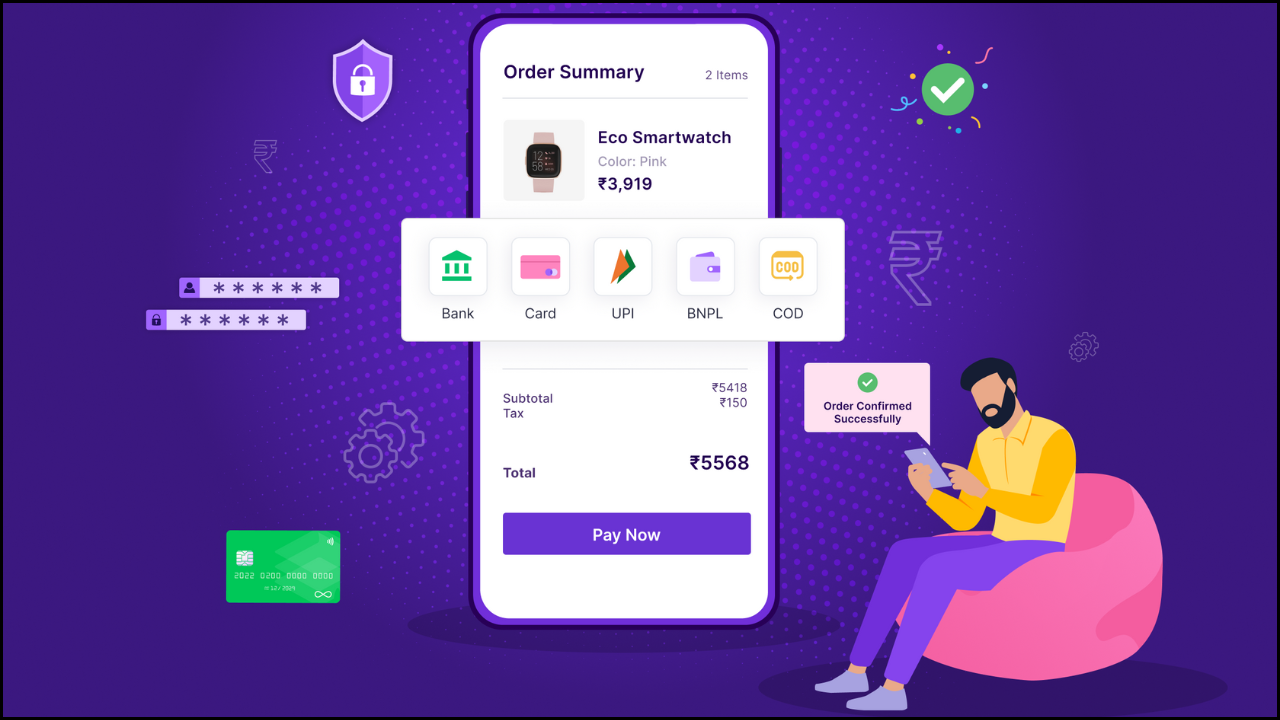
Nonprofit organizations rely on steady funding to sustain their missions and make a lasting impact. Traditional fundraising methods like one-time donations or seasonal campaigns often create uncertainty in budgeting and planning. However, subscription-based giving — where donors contribute regularly through automated monthly or annual payments — provides a stable and predictable source of income. This model mirrors the subscription systems used by e-commerce and digital platforms but applies them to philanthropy. By adopting subscription-based giving, nonprofits can enhance donor loyalty, improve financial planning, and build stronger relationships with their supporters.
Table of Contents
1. Understanding Subscription-Based Giving
Subscription-based giving refers to a recurring donation system in which individuals commit to supporting a nonprofit organization on a regular schedule. Instead of relying on single donations, nonprofits can nurture long-term donor relationships through consistent contributions.
- Predictable Donations: Regular giving ensures steady cash flow.
- Donor Engagement: Ongoing interaction fosters trust and involvement.
- Automation and Ease: Donors set up payments once and contribute effortlessly.
- Sustainable Impact: Consistent funding allows nonprofits to plan projects effectively.
Core Features of Subscription-Based Giving
| Feature | Description |
|---|---|
| Recurring Donations | Donors give monthly, quarterly, or annually through automated systems |
| Flexibility | Donors can adjust or cancel contributions anytime |
| Transparency | Regular updates help maintain donor trust |
| Digital Integration | Online tools make setup and management simple |
2. Why Nonprofits Are Shifting Toward Recurring Donations
Modern donors value convenience, connection, and ongoing impact. Subscription-based giving satisfies these expectations while helping nonprofits secure long-term stability.
- Predictable Revenue: Nonprofits can budget more accurately with consistent income.
- Improved Donor Retention: Regular donors are more likely to stay involved.
- Lower Fundraising Costs: Continuous giving reduces the need for frequent campaigns.
- Enhanced Impact Measurement: Recurring donations help track progress and demonstrate results.
Comparison of One-Time vs. Recurring Donations
| Aspect | One-Time Donations | Recurring Donations |
|---|---|---|
| Revenue Predictability | Unstable and seasonal | Steady and forecastable |
| Donor Relationship | Transactional | Ongoing and personal |
| Administrative Cost | High due to repeated outreach | Low with automation |
| Program Planning | Short-term | Long-term and sustainable |
3. How Subscription-Based Giving Strengthens Donor Relationships
Long-term donor commitment goes beyond money — it creates emotional bonds and shared purpose. Subscription-based giving enables nonprofits to communicate consistently and show donors their impact in real time.
- Personalized Communication: Monthly donors receive tailored updates.
- Transparency and Trust: Regular reporting strengthens confidence in the organization.
- Recognition Programs: Nonprofits can acknowledge subscribers through newsletters or special mentions.
- Community Building: Subscribers become part of a close-knit donor community.
Example Engagement Strategies:
- Monthly newsletters showcasing funded projects.
- Exclusive online events for recurring donors.
- Personalized thank-you messages or impact videos.
- Recognition badges on donor portals.
4. Steps to Launch a Subscription-Based Giving Program
A successful program requires thoughtful planning, clear communication, and strong digital infrastructure.
- Define Goals: Determine how recurring donations will support your mission.
- Choose the Right Platform: Use donation tools like Patreon, Donorbox, or GiveWP for automation.
- Create Donor Tiers: Offer different giving levels with meaningful benefits.
- Communicate Value: Explain how regular giving sustains ongoing initiatives.
- Monitor and Optimize: Analyze donor feedback and refine strategies regularly.
Implementation Plan for Subscription-Based Giving
| Step | Action | Expected Result |
|---|---|---|
| Goal Setting | Identify financial and program objectives | Clear direction for the campaign |
| Platform Selection | Integrate automated donation tools | Simplified donor experience |
| Tier Creation | Define giving levels (e.g., Bronze, Silver, Gold) | Increased participation options |
| Promotion | Use emails and social media to launch | Awareness and donor conversion |
| Monitoring | Track key performance indicators | Continuous improvement |
5. Technology and Automation in Subscription-Based Giving
Digital technology has made recurring giving programs easy to manage and accessible to all sizes of nonprofits.
- Automated Billing Systems: Simplify payments and reduce administrative burden.
- CRM Integration: Store donor data, communication records, and transaction history in one place.
- Analytics Tools: Track donor retention, engagement, and revenue trends.
- Mobile Optimization: Ensure donation portals are mobile-friendly for on-the-go contributors.
Useful Tools for Managing Recurring Donations
| Tool Name | Primary Function | Best Use Case |
|---|---|---|
| Donorbox | Manages recurring donations | Ideal for small and mid-sized nonprofits |
| Patreon | Builds membership-style donor communities | Best for creative and educational causes |
| GiveWP | WordPress plugin for recurring gifts | Perfect for nonprofits using WordPress sites |
| Bloomerang | Tracks donor engagement and history | Useful for large organizations |
6. Financial Stability and Long-Term Planning
Consistent revenue from subscription-based giving allows nonprofits to plan multi-year projects with confidence. Predictable funding reduces dependency on uncertain campaigns and emergency appeals.
- Budget Predictability: Monthly income enables clear allocation of resources.
- Program Sustainability: Continuous support ensures uninterrupted service delivery.
- Strategic Growth: Steady funds encourage expansion into new initiatives.
- Resilience During Crises: Regular donors sustain nonprofits even during economic downturns.
Financial Advantages of Recurring Giving
| Aspect | Benefit |
|---|---|
| Cash Flow Management | Improved financial forecasting |
| Reduced Fundraising Costs | Less need for frequent campaigns |
| Investment in Innovation | Opportunity to test new projects |
| Crisis Preparedness | Stable donor base during uncertain times |
7. Marketing and Promoting Subscription-Based Giving
Marketing plays a crucial role in encouraging donors to transition from one-time gifts to recurring contributions.
- Storytelling: Use impact-driven narratives to demonstrate the ongoing need for support.
- Social Media Campaigns: Highlight donor stories, milestones, and impact visuals.
- Email Marketing: Send reminders and updates emphasizing the benefits of sustained giving.
- Gamification: Introduce donation streaks or milestone badges to motivate subscribers.
- Influencer Partnerships: Collaborate with community leaders to spread awareness.
Marketing Ideas for Nonprofit Subscriptions
| Marketing Method | Purpose | Example |
|---|---|---|
| Video Testimonials | Showcase impact stories | Interviews with beneficiaries |
| Impact Reports | Display measurable progress | Monthly infographics |
| Referral Incentives | Encourage donor sharing | “Invite a friend” campaigns |
| Social Challenges | Engage online audiences | #GiveMonthlyChallenge |
8. Measuring Success in Subscription-Based Giving
Tracking performance helps nonprofits evaluate the effectiveness of their recurring donation programs.
- Donor Retention Rate: Measures how many subscribers continue giving over time.
- Average Gift Value: Tracks the average donation per subscriber.
- Churn Rate: Identifies donor drop-offs to improve retention strategies.
- Engagement Rate: Assesses donor interaction with communications and events.
- Lifetime Value (LTV): Calculates total contributions from each recurring donor.
Key Performance Indicators (KPIs)
| Metric | Definition | Purpose |
|---|---|---|
| Retention Rate | Percentage of donors who stay subscribed | Evaluate donor loyalty |
| Average Gift Value | Mean recurring donation amount | Assess donation tier performance |
| Churn Rate | Donors who cancel subscriptions | Identify and fix weak areas |
| Engagement Rate | Donor response to communication | Optimize outreach strategies |
9. Common Challenges and Solutions
Nonprofits may face operational and psychological barriers when transitioning to subscription-based giving, but these can be overcome with planning and communication.
| Challenge | Cause | Solution |
|---|---|---|
| Donor Fatigue | Overcommunication or lack of updates | Personalize messages and show tangible impact |
| Technical Barriers | Complex donation systems | Use user-friendly digital platforms |
| Low Initial Adoption | Lack of awareness | Launch targeted education campaigns |
| Payment Failures | Expired cards or failed transactions | Send automated reminders and retry requests |
10. The Future of Subscription-Based Philanthropy
The future of charitable giving lies in consistency, personalization, and digital connection. Subscription-based giving models align perfectly with modern donor expectations. As younger generations embrace automation and long-term commitments, nonprofits that invest in this model will build stronger communities and financial resilience.
Emerging trends include:
- Integration of mobile wallets and UPI for seamless payments.
- Custom dashboards for donors to track their impact.
- Hybrid models combining subscriptions with crowdfunding.
- Personalized AI-driven communication for engagement.
Moving Forward
Subscription-based giving represents a powerful evolution in nonprofit fundraising. By turning one-time supporters into long-term partners, organizations gain financial stability, operational flexibility, and deeper donor relationships. With the right digital tools, marketing strategies, and transparency, nonprofits can build a reliable base of recurring donors who sustain their mission throughout the year. Consistent support, clear communication, and genuine gratitude remain the foundation for success in this new era of philanthropic engagement.