An Application Programming Interface (API) plays a powerful role in modern subscription platforms. APIs act as the connecting bridge between software systems, allowing businesses to automate processes, exchange data efficiently, and provide better user experiences. For subscription-based companies, API integration can mean the difference between manual management and seamless automation.
Table of Contents
1. Introduction: The Power of Integration
A subscription business thrives on efficiency, personalization, and customer satisfaction. APIs empower these goals by connecting essential tools like payment gateways, CRM systems, and analytics platforms. Through these connections, companies can automate renewals, analyze performance in real time, and improve the overall customer experience.
2. Key Benefits of Using APIs in Subscription Platforms
| Benefit | Description |
|---|---|
| Automation of Operations | APIs automate recurring billing, invoicing, and notifications, reducing manual tasks. |
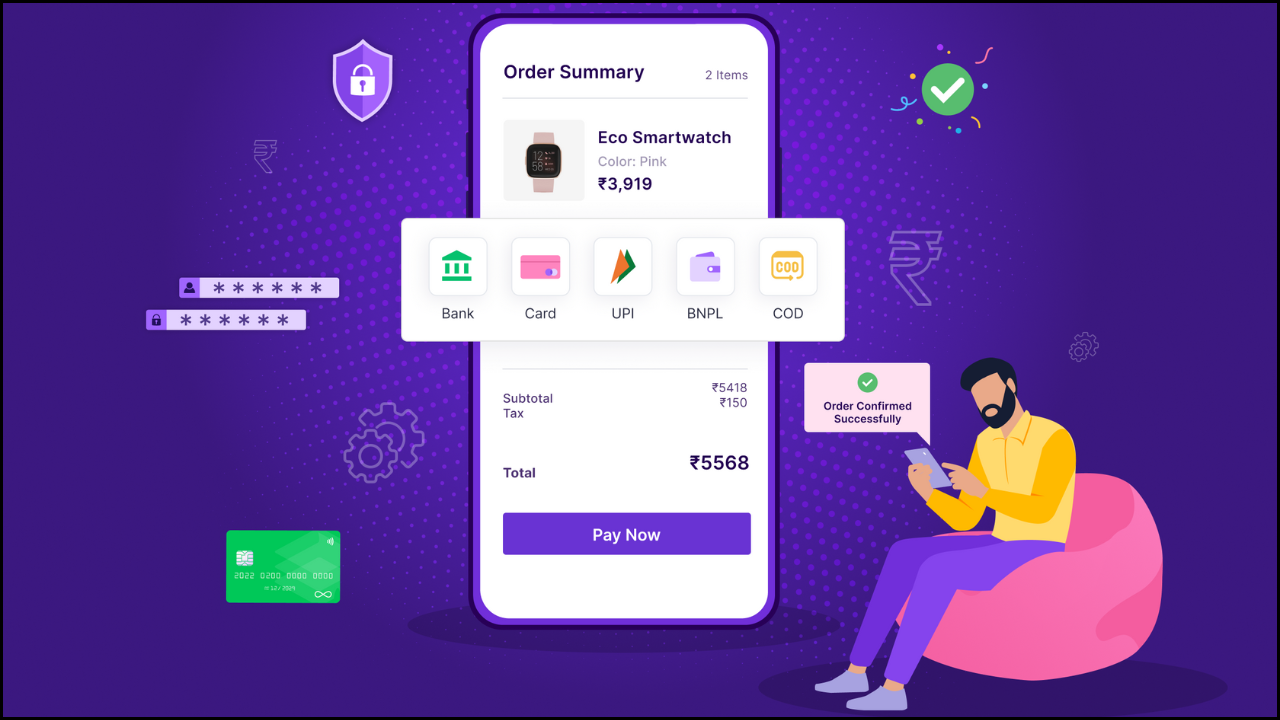
| Seamless Payment Processing | Integration with payment gateways like Stripe or Razorpay ensures smooth subscription renewals and failed payment retries. |
| Enhanced Data Accuracy | Real-time synchronization between systems like CRM and accounting software prevents data duplication or errors. |
| Better Customer Experience | APIs help deliver personalized content and updates based on subscriber data. |
| Improved Scalability | As the business grows, API integrations allow easy addition of new services or payment options. |
| Custom Analytics and Reporting | APIs pull data from multiple tools for in-depth insights into customer behavior and churn rates. |
3. How APIs Simplify Subscription Management
- Automatic Renewals: APIs handle recurring billing cycles automatically, ensuring timely renewals.
- Failed Payment Recovery: APIs trigger notifications or retries when a customer’s payment fails.
- Subscription Modifications: Customers can easily upgrade, downgrade, or cancel through integrated interfaces.
- Customer Data Sync: APIs connect with CRM systems to maintain accurate subscriber profiles and history.
- Inventory Management: For physical subscription boxes, APIs track stock levels and automate restocking alerts.
4. Common API Integrations for Subscription Businesses
| API Type | Purpose | Examples |
|---|---|---|
| Payment APIs | Automate billing, renewals, and refunds | Stripe, PayPal, Razorpay |
| CRM APIs | Manage customer data and track engagement | HubSpot, Salesforce |
| Email Marketing APIs | Send onboarding and renewal reminders | Mailchimp, SendGrid |
| Analytics APIs | Monitor performance and churn metrics | Google Analytics, Mixpanel |
| Communication APIs | Send real-time notifications or updates | Twilio, Slack |
| E-commerce APIs | Link with online stores for subscription products | Shopify, WooCommerce |
5. Role of APIs in Personalization and Engagement
Personalization is vital in retaining subscribers. APIs enable dynamic personalization by:
- Pulling real-time customer preferences to suggest relevant offers.
- Integrating AI tools for predictive insights.
- Delivering custom recommendations based on purchase history.
- Syncing content updates across all user platforms simultaneously.
6. Enhancing Collaboration Between Tools
A subscription platform rarely functions alone. With APIs:
- Payment systems communicate seamlessly with invoicing tools.
- CRMs sync subscriber data with marketing automation systems.
- Data from analytics tools helps improve targeting in email campaigns.
- Customer support tools access real-time account information for faster resolutions.
This interconnected environment creates a frictionless ecosystem that benefits both customers and businesses.
7. How APIs Help Reduce Churn
APIs allow automated processes that directly address subscriber churn:
- Predictive Analytics: API data helps identify at-risk customers early.
- Targeted Retention Campaigns: APIs trigger personalized offers for inactive users.
- Proactive Communication: Automated messages alert users before payment failures or expirations.
8. Security and Compliance Considerations
API-based systems must ensure that sensitive subscriber data remains secure. Essential practices include:
- Encryption of API Calls using SSL/TLS.
- Authentication Mechanisms like OAuth 2.0 are used to verify data access.
- Regular Security Audits to prevent vulnerabilities.
- Compliance with GDPR or PCI-DSS for handling payments and personal information.
9. API-Driven Innovation in Modern Platforms
Emerging subscription systems leverage APIs to introduce features like:
- AI-based pricing optimization
- Dynamic subscription tiers
- Cross-platform analytics dashboards
- Third-party app integrations to expand functionality
APIs not only simplify backend operations but also open opportunities for innovation and scalability.
10. The Role of APIs in Subitt’s Subscription Platform
Platforms like Subitt demonstrate how APIs can make subscription management effortless. With API integrations:
- Small businesses can connect Subitt to their e-commerce or CRM systems.
- Subscription data syncs automatically across tools.
- Payment and customer management become streamlined through unified dashboards.
- Businesses can scale quickly without technical overhead.
Subitt’s API-friendly approach enables businesses to focus on customer satisfaction rather than technical complexities.
11. Future of APIs in Subscription Commerce
The future of subscription management lies in AI-driven, API-connected ecosystems. APIs will continue to enhance:
- Automation and accuracy in recurring billing.
- Cross-channel synchronization of customer experiences.
- Data-driven personalization that boosts retention.
Businesses adopting API integration today will be better prepared to compete in tomorrow’s subscription-driven economy.
Closing Perspectives
APIs serve as the backbone of efficient subscription platforms. Through automation, seamless integration, and secure data sharing, they help businesses manage subscribers effortlessly while ensuring a personalized experience. By leveraging APIs, subscription companies can focus on growth, customer loyalty, and innovation — all essential ingredients for long-term success in the digital economy.