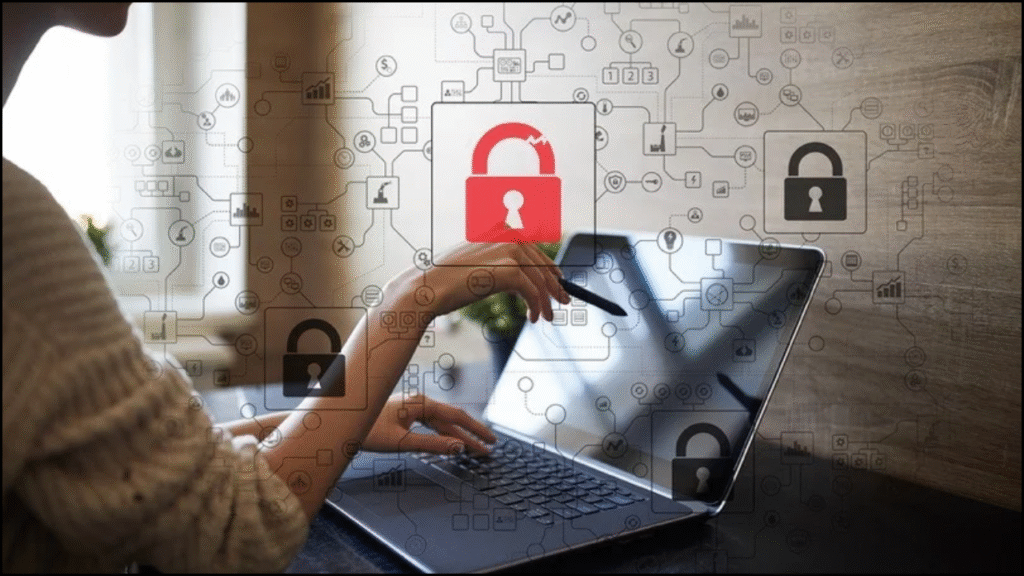
Subscription commerce has transformed how businesses engage with customers by offering continuous access to products and services. However, with recurring transactions and stored personal data, subscription models also bring heightened responsibilities around data security and privacy. Strong data protection practices not only prevent financial and reputational losses but also build lasting trust with subscribers. A well-designed data privacy strategy is essential for maintaining transparency, compliance, and customer confidence in a competitive subscription economy.
Table of Contents
Importance of Data Security in Subscription Commerce
Data security forms the backbone of trust in subscription commerce. Every transaction, renewal, and customer interaction generates sensitive information that must be safeguarded.
- Protection of payment details, login credentials, and personal data prevents fraud.
- Implementation of secure encryption protocols ensures data integrity.
- Secure systems reduce risks of data breaches and unauthorized access.
- Confidence in data protection enhances customer loyalty and brand reputation.
- Regulatory compliance reduces legal risks and penalties.
Key Elements of Data Security in Subscription Businesses
| Security Aspect | Description |
|---|---|
| Encryption | Use of SSL/TLS encryption to protect data during transmission and AES encryption for stored data. |
| Access Control | Limiting access to sensitive data only to authorized staff using multi-factor authentication (MFA). |
| Regular Security Audits | Conducting periodic checks to identify vulnerabilities and ensure compliance with security standards. |
| Firewall and Intrusion Detection | Implementing robust firewalls and real-time monitoring to detect suspicious activity. |
| Data Backup and Recovery | Maintaining automated data backups and disaster recovery systems for continuity. |
Understanding Data Privacy in Subscription Commerce
Data privacy focuses on how subscriber data is collected, used, stored, and shared. It ensures that customer information is handled ethically and transparently.
- Transparent policies inform users about data handling practices.
- Consent-based data collection aligns with privacy laws like GDPR and CCPA.
- Limited data retention reduces exposure to unnecessary risk.
- Customers should have access to their stored data and the ability to delete or modify it.
- Data minimization ensures that only essential information is collected.
Privacy Compliance and Legal Frameworks
| Regulation | Scope and Impact |
|---|---|
| GDPR (General Data Protection Regulation) | Applies to businesses dealing with EU citizens’ data; enforces strict consent and data handling requirements. |
| CCPA (California Consumer Privacy Act) | Protects the rights of California residents, focusing on data access, deletion, and opt-out mechanisms. |
| PCI DSS (Payment Card Industry Data Security Standard) | Mandates security controls for handling credit card data. |
| SOC 2 Compliance | Ensures that service providers securely manage customer data based on five trust principles: security, availability, processing integrity, confidentiality, and privacy. |
| HIPAA (Health Insurance Portability and Accountability Act) | Applicable to healthcare subscription services dealing with personal health information. |
Common Data Security Risks in Subscription Commerce
- Phishing attacks target customer login credentials.
- Payment fraud and unauthorized transactions.
- Weak or reused passwords compromise account integrity.
- Insider threats from employees with excessive data access.
- API vulnerabilities between third-party integrations.
Best Practices for Securing Subscription Data
| Practice | Implementation Approach |
|---|---|
| Data Encryption and Tokenization | Replace sensitive payment data with secure tokens to prevent exposure. |
| Two-Factor Authentication (2FA) | Add an extra verification step to user logins for enhanced protection. |
| Regular Software Updates | Keep all plugins, payment gateways, and CRM systems up to date. |
| Employee Training | Educate staff about phishing, password hygiene, and data protection protocols. |
| Data Anonymization | Mask identifiable details for analytical purposes without compromising privacy. |
The Role of Payment Gateways in Data Security
Payment gateways act as intermediaries that process recurring payments securely.
- PCI DSS-certified gateways ensure high data protection standards.
- Tokenization reduces the storage of card information on business servers.
- Secure payment authorization prevents identity theft and chargebacks.
- Integration with fraud detection tools identifies abnormal transaction patterns.
Building Customer Trust Through Transparency
Transparency is the foundation of customer trust in subscription businesses. When users understand how their data is protected, they are more likely to stay subscribed.
- Clearly communicate privacy policies and data usage practices.
- Provide easy opt-out options for marketing communication.
- Offer control over data preferences within user dashboards.
- Notify subscribers promptly in case of data breaches.
- Regularly update users on new security measures adopted.
The Role of Technology in Enhancing Privacy
| Technology | Contribution to Privacy |
|---|---|
| Blockchain | Provides tamper-proof data records and decentralized verification. |
| AI-based Threat Detection | Identifies potential breaches or suspicious activities in real time. |
| Secure Cloud Storage | Offers encrypted environments for storing subscription data. |
| Zero-Trust Architecture | Validates every access attempt, even from internal systems. |
Impact of Poor Data Security on Subscription Businesses
Failure to maintain adequate security can severely damage a business.
- Breaches result in financial penalties and loss of customers.
- A damaged reputation can lead to high churn rates.
- Recovery costs, including legal fees and technical fixes, can overwhelm small businesses.
- Loss of consumer confidence may impact future growth and partnerships.
How Subitt Supports Data Security for Subscription Businesses
Subitt provides an integrated subscription management platform with built-in data protection features.
- Secure payment gateway integration ensures PCI DSS compliance.
- Automated billing reduces exposure to manual entry errors.
- Encrypted storage and advanced authentication protect sensitive user data.
- Regular audits and monitoring maintain compliance with privacy standards.
- Transparent communication with customers builds credibility and loyalty.
The Way Forward
Data security and privacy are the lifelines of sustainable subscription commerce. A secure infrastructure not only protects against fraud but also nurtures long-term trust and loyalty. Businesses that invest in transparent data practices, compliance, and technology-driven safeguards gain a distinct competitive edge. A commitment to data protection ensures that every recurring transaction strengthens—not endangers—the bond between business and subscriber.