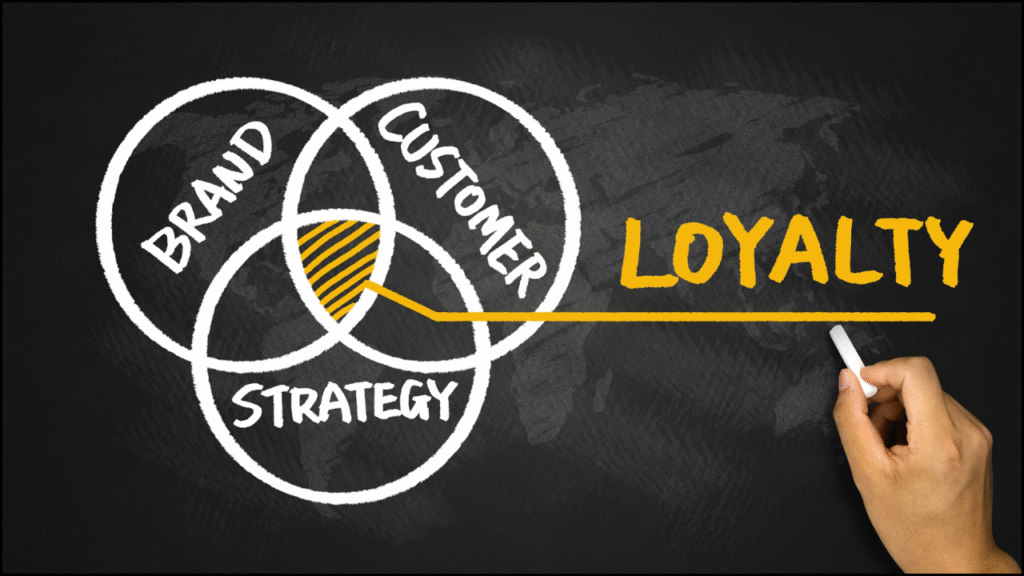
A subscription business thrives when customers stay engaged and satisfied over time. Personalized subscription offers create stronger relationships by aligning services and products with individual preferences. Customer loyalty is built not only through the quality of products but also through the emotional connection that personalization fosters. This article explores how businesses can effectively use personalization to strengthen customer loyalty and maintain long-term growth.
Table of Contents
Importance of Personalization in Subscription Businesses
Personalization helps customers feel valued and understood. Businesses that offer tailored experiences see higher retention rates because customers recognize that the brand caters to their specific needs.
- Customer Engagement: Personalized offers improve user engagement and interaction with the brand.
- Emotional Connection: Customers are more likely to stay loyal when they feel emotionally connected to a business.
- Competitive Edge: Personalized experiences distinguish a brand in a crowded subscription market.
- Increased Lifetime Value: Personalization encourages repeat purchases and longer subscription durations.
Key Elements of Personalized Subscription Offers
A successful personalized offer includes a combination of data-driven insights, customized recommendations, and dynamic communication strategies.
- Customer Data Utilization: Businesses should analyze customer data such as purchase history, usage behavior, and preferences.
- Tailored Communication: Emails, messages, and offers must be adjusted to suit customer interests.
- Flexible Options: Providing choices for delivery frequency, product categories, and billing cycles enhances satisfaction.
- Exclusive Rewards: Personalized rewards or loyalty points can motivate continued engagement.
Components of a Strong Personalized Subscription Strategy
| Component | Description | Impact on Loyalty |
|---|---|---|
| Customer Segmentation | Dividing customers into groups based on demographics or behavior | Enables focused and relevant offers |
| AI-Based Recommendations | Using algorithms to predict customer preferences | Increases engagement and satisfaction |
| Personalized Pricing | Offering discounts or packages suited to customer usage | Encourages long-term commitment |
| Customized Communication | Sending targeted messages based on customer journey stage | Builds trust and familiarity |
| Feedback Integration | Using feedback to refine subscription experiences | Strengthens customer relationships |
Techniques for Implementing Personalization
Personalization requires strategic implementation across all customer touchpoints.
- Data Collection Systems: Businesses must collect data ethically and transparently to gain insights.
- Behavioral Tracking: Monitoring user activity helps identify preferences and tailor content accordingly.
- Customer Profiles: Creating detailed profiles allows businesses to design accurate recommendations.
- Machine Learning Tools: AI can automate personalization by analyzing complex customer behavior patterns.
- Interactive Dashboards: Customers appreciate platforms where they can adjust their preferences easily.
Personalization in Different Subscription Models
Different subscription businesses can apply personalization uniquely to improve retention.
| Subscription Type | Personalization Approach | Customer Benefit |
|---|---|---|
| E-commerce Subscriptions | Curated product boxes based on purchase history | Discovery of new, relevant products |
| Media Streaming Services | Personalized playlists and content suggestions | Enhanced entertainment experience |
| Software-as-a-Service (SaaS) | Adaptive features based on usage data | Improved productivity and satisfaction |
| Health and Fitness Plans | Customized workout routines and nutrition tips | Better results and engagement |
| Education Platforms | Course suggestions based on learning progress | Focused and efficient learning journey |
Benefits of Personalized Subscription Offers
Businesses that prioritize personalization gain multiple long-term benefits that strengthen loyalty and growth.
- Enhanced Customer Experience: Each interaction becomes more meaningful and valuable.
- Higher Retention Rates: Subscribers are less likely to cancel when offers are relevant.
- Positive Word-of-Mouth: Satisfied subscribers share their experiences with others.
- Improved Cross-Selling Opportunities: Personalized recommendations encourage upgrades and add-ons.
- Reduced Marketing Costs: Retaining customers through personalization is cheaper than acquiring new ones.
Business Outcomes from Personalization
| Outcome | Description | Long-Term Effect |
|---|---|---|
| Retention Growth | Subscribers renew more often | Stable recurring revenue |
| Customer Satisfaction | Offers align with expectations | Stronger emotional connection |
| Brand Differentiation | Unique personalized experiences | Market leadership and recognition |
| Increased Profitability | Loyal customers spend more over time | Sustainable business growth |
Challenges in Personalizing Subscription Offers
While personalization enhances loyalty, it also presents operational and ethical challenges.
- Data Privacy Concerns: Misuse or mishandling of customer data can damage trust.
- Implementation Complexity: Personalization requires sophisticated systems and analytics.
- Over-Personalization Risk: Excessive targeting can feel intrusive and reduce comfort.
- Scalability Issues: Maintaining personalization while scaling can be difficult without automation.
Best Practices for Building Loyalty Through Personalization
Businesses can adopt proven strategies to create authentic and effective personalization.
- Transparent Communication: Inform customers how their data is used to build trust.
- Progressive Personalization: Start with basic personalization and expand as data accuracy improves.
- Customer Control: Allow subscribers to modify preferences or opt out of certain data uses.
- Continuous Improvement: Regularly analyze metrics to refine personalization strategies.
- Human Touch: Combine automation with personalized human interactions where possible.
Case Study Example: How Personalization Builds Loyalty
A local coffee subscription business introduced a data-driven personalization model. Customers completed a short taste preference quiz, which was used to tailor coffee bean selections. Over time, the company integrated machine learning to predict preferences based on prior orders. This approach resulted in:
- A 40% increase in renewal rates.
- A 25% boost in average order value.
- A significant rise in customer referrals indicates stronger brand advocacy.
Metrics to Measure Personalization Success
| Metric | Purpose | Insights Provided |
|---|---|---|
| Customer Retention Rate | Tracks the percentage of subscribers who renew | Indicates loyalty strength |
| Customer Lifetime Value (CLV) | Measures long-term profitability | Assesses personalization ROI |
| Engagement Rate | Evaluates customer interaction levels | Shows effectiveness of communication |
| Net Promoter Score (NPS) | Gauges customer satisfaction | Reflects emotional brand connection |
| Churn Rate | Measures cancellation frequency | Identifies weak points in personalization |
End Notes
Personalized subscription offers create stronger relationships by delivering value that resonates with individual preferences. A customer who feels recognized and appreciated becomes more loyal, increasing the lifetime value for the business. Data-driven personalization, when balanced with transparency and customer control, turns ordinary subscriptions into meaningful experiences. A focus on personalization not only enhances retention but also strengthens brand identity, ensuring sustainable growth in the competitive subscription marketplace.